Sometimes I think Parelli should produce a set of T-shirts for each of the levels, color-coded like the strings, with the Parelli logo and text like “This is what Level 1 looks like.” For one thing, the level 1 red shirts would sure motivate the Trekkies to get to level 2 as quickly as possible. For another, it might help us educate other horse lovers by reminding them that we are all on a journey that has to start somewhere.
Horsemanship is like copyediting: the better you are at it, the less visible it is. – me
This came to mind when I was reading a newsletter by a horsewoman I respect. She cautioned that some of the “games” taught by some horsemen were not safe, like teaching horses to turn and face while longeing, or making (making!) horses back up with their heads high and their backs swayed while someone wiggled the lead rope in their face.
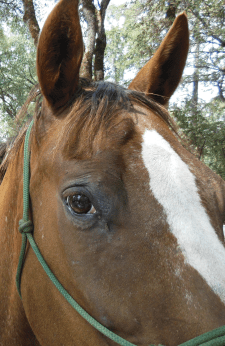 There are reasons we teach our horses to turn and face in the beginning. One is to teach ourselves how to keep ourselves safe by getting those hindquarters out of our space. One is to earn respect through disengaging and yielding the hindquarters. One is to develop a feel for how responsive the horse is feeling in any given moment, so we can take action to make things better for him. Turn-and-face in lower levels helps us set our horse up to make it easier for us to learn how to send him. How to ask for a change of direction. How to engage the horse mentally and emotionally so that he is circling with contact and learns that he can ask questions without getting punished.
But as we move up the levels, and we improve our respect and rapport and communication, we can guide our horses into any gait — including halt and backup, not just forward — without any turning and facing. We learn to send with energy and subtle body movements. We learn how to make it fun for our horses to stick to us and enjoy moving in patterns with us.
There are reasons our horses start out backing up with their heads high and eyes wide and bodies all over the place. These reasons mostly boil down to “because we don’t know how to communicate what we want yet, and we haven’t developed the relationship to a high level yet, and our horse is bracy and nervous about this New Thing.” The better I get at remembering to be light and start with just an energy beam and maybe a wiggling finger, the better Rocky gets at lowering his head and engaging his body correctly as he backs up. The only high-headed, bad-banana backup I’ve had this year was when he was having a huge fit of ignoring me and I needed to give him a “thanks, I needed that!” reminder to get out of my space. By the fifth or sixth step, he had rounded his body and was backing well.
When we are in levels 1 and 2, it’s obvious that we are “doing Parelli.” Even if we aren’t carrying a carrot stick, we stand out with our long lead ropes and our peculiar habit of having our horses put their noses on things they at first seem afraid of. We ride in rope halters and perfect the art of dismounting quickly and safely if we pass our personal anxiety threshold while riding.
By level 3, it is still obvious that we are doing Parelli, but now it also looks like we are lucky to have such a nice, easy horse.
By level 4, though, it doesn’t look so much like we’re doing Parelli. Now it looks like we’re “riding English” or “riding Western” or heading out on trails or casually hacking around bareback on a quiet, soft horse who never gives us any trouble with the trailer, and aren’t we lucky to have found such a well-trained mount.
And that’s just the foundation. When people get into the higher levels — master the foundation and get into the specialization — you really can’t tell they are doing anything other than awesomeness. When Lauren Barwick was the only equestrian at the paralympics who was able to ride her horse on her own during the awards ceremony, without attendants to lead the horse, all the way up to the podium to receive her gold medal, did anyone wonder how she got there? Or did they just assume that she has an easy horse?
I don’t think we need to push Parelli. Pushing is annoying, no matter what you’re pushing.
But if we could “pull” Parelli by what we’re doing, and by being nice to people who ask about it (and not steamrolling them with our enthusiasm or too much too soon!) we have a better chance at helping make the world a better place for horses and humans.
And meanwhile, a set of t-shirts would help remind others that we are in whatever level we are in. Even if they don’t know anything about the program, noting that “this is what level __ looks like” implies that there are other levels and that the person is likely moving up them.
I don’t think traditional riding instructors expect students to be able to post perfectly on their first day, with the horse in perfect collection and balance. I would never criticize an instructor for not insisting that horse and human have expert form in the first few weeks of lessons for a novice rider! Likewise, I don’t know why anyone would think that the Parelli program would encourage us to back our horses more than their bodies can handle, in positions that are bad for their bodies.
If some Parelli students get stuck there, or don’t know what good form looks like and therefore can’t help their horse find it, that’s just because people are people and nobody is perfect. Maybe they haven’t learned it yet, and so they stand out, because they aren’t far enough along in the program yet to cue the horse invisibly and have the horse execute the maneuver with excellence. Home-study students who don’t have access to in-person instruction are bound to take longer to find excellence than those who can take regular lessons. And yet, imagine where they would be if they didn’t have the home-study program to guide them at all?
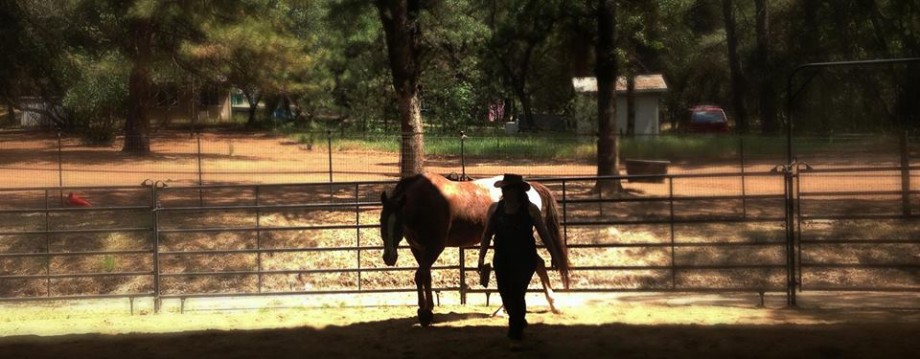
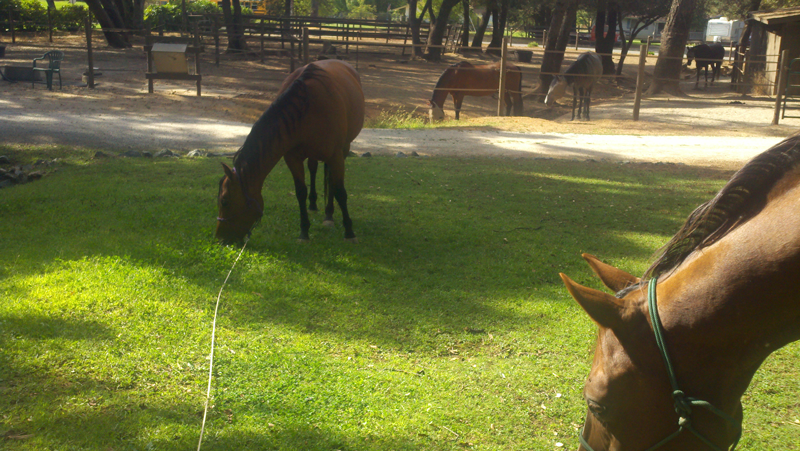
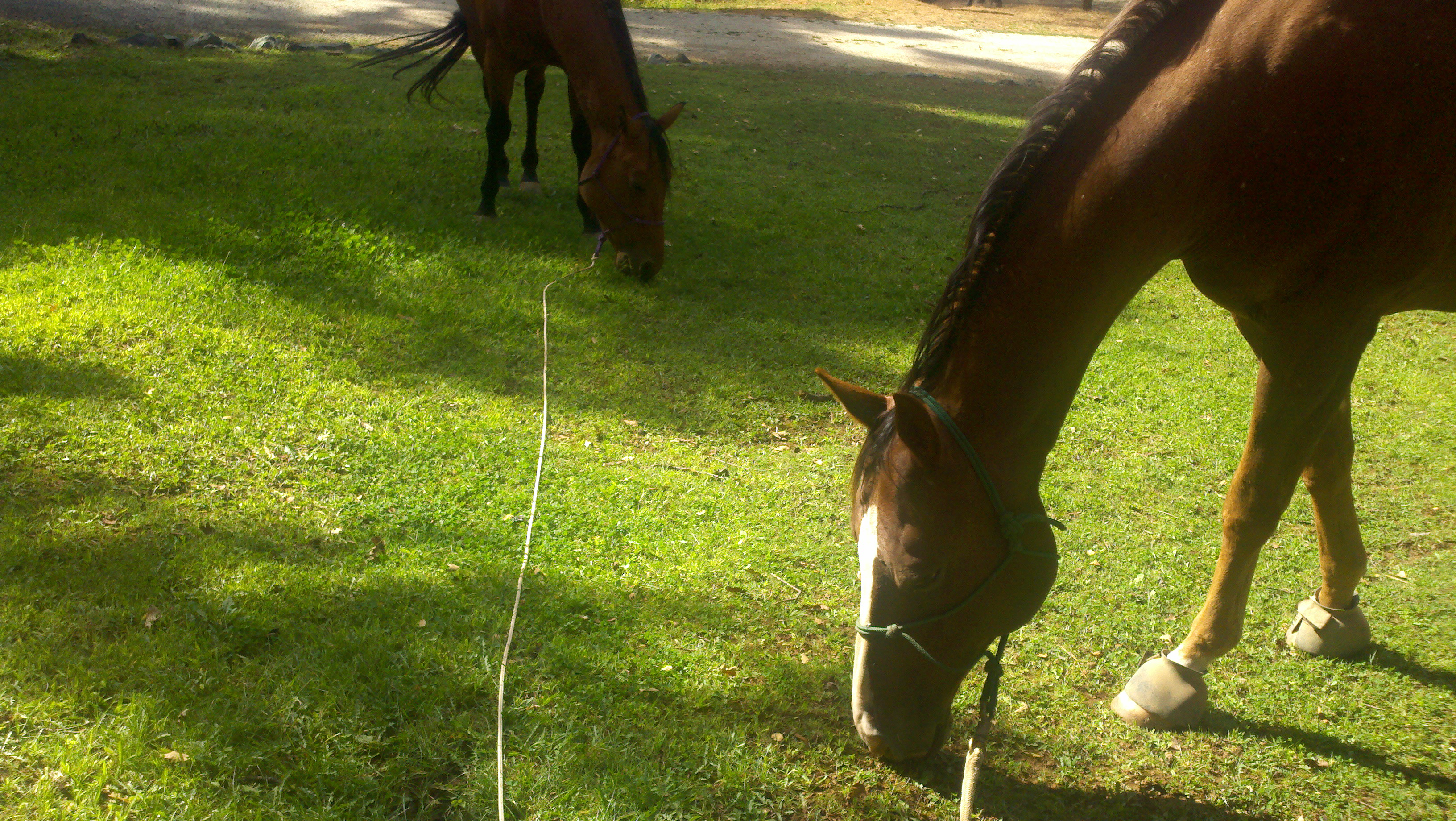
As for this blog … this is what Level 2 looks like, for me.



 Horsegirl on a Journey